
Loreto Mexico history and the mission of 1697
Loreto Mexico history can be read in the relationship between the mission, the former military presidio and the landscape between the Sierra de la Giganta and the Gulf of California. Juan María de Salvatierra founded Nuestra Señora de Loreto Conchó on 25 October 1697. It became a starting point for further missions in the Californias. The founding date belongs to the mission as an institution: it does not mean that every part of the church seen today survives unchanged from that year.
For a visitor, the church and the museum next to it offer different perspectives. The former is a religious building with its own history of damage and rebuilding; the latter places Loreto within a network of Jesuit missions. Allow time for both instead of treating them as a single attraction with a single set of visitor arrangements.
Our take
A San Javier excursion connects the region’s mission history with an included lunch.
Hand-picked tours, booked through Viator. Prices are indicative starting prices in US dollars (as of October 2026). Tap a tour for live availability and the current price in your currency.
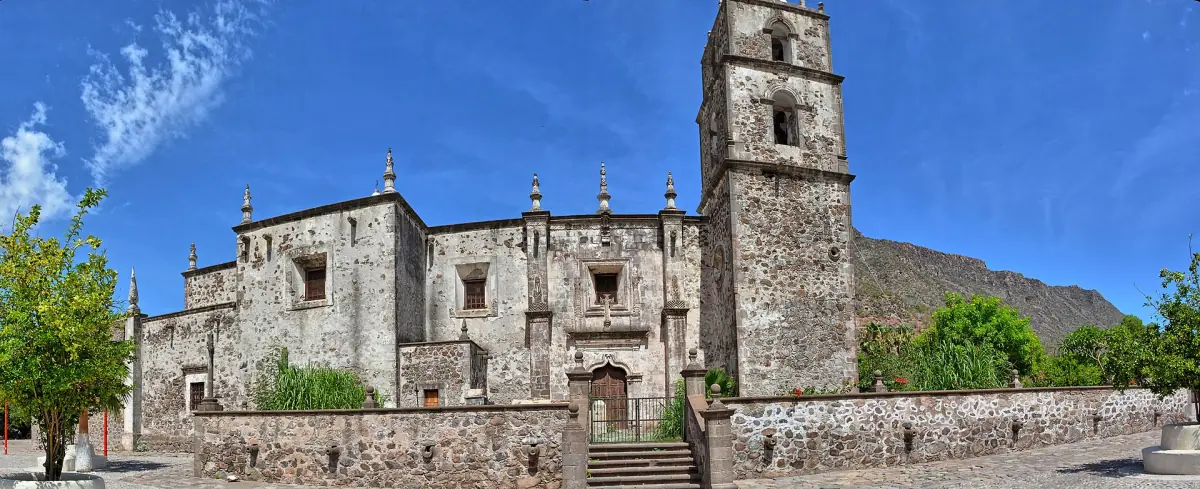
A journey to San Javier
A regional mission excursion takes you inland to San Javier, with transport, lunch and drinks included.
Mission, presidio and colonial rule
The mission system joined religious work with civil authority. Loreto also had a presidio with a military garrison, so the story is wider than that of an isolated church. Missionisation and colonial expansion shaped the region together; the arrival of a mission should not be mistaken for the beginning of human life in the landscape.
The institutions changed hands. After a Franciscan interlude, Dominicans took over in 1773. The church later suffered damage in the nineteenth century and was rebuilt. A municipal chronicle records repairs associated with construction of the town hall from 1947. These later chapters help explain why a foundation date and the visible fabric of a building are not interchangeable.
Look at the church as a place with a long life, rather than trying to assign every stone to one moment. The neighbouring museum supplies a broader framework for understanding the institutions and objects associated with the missions.
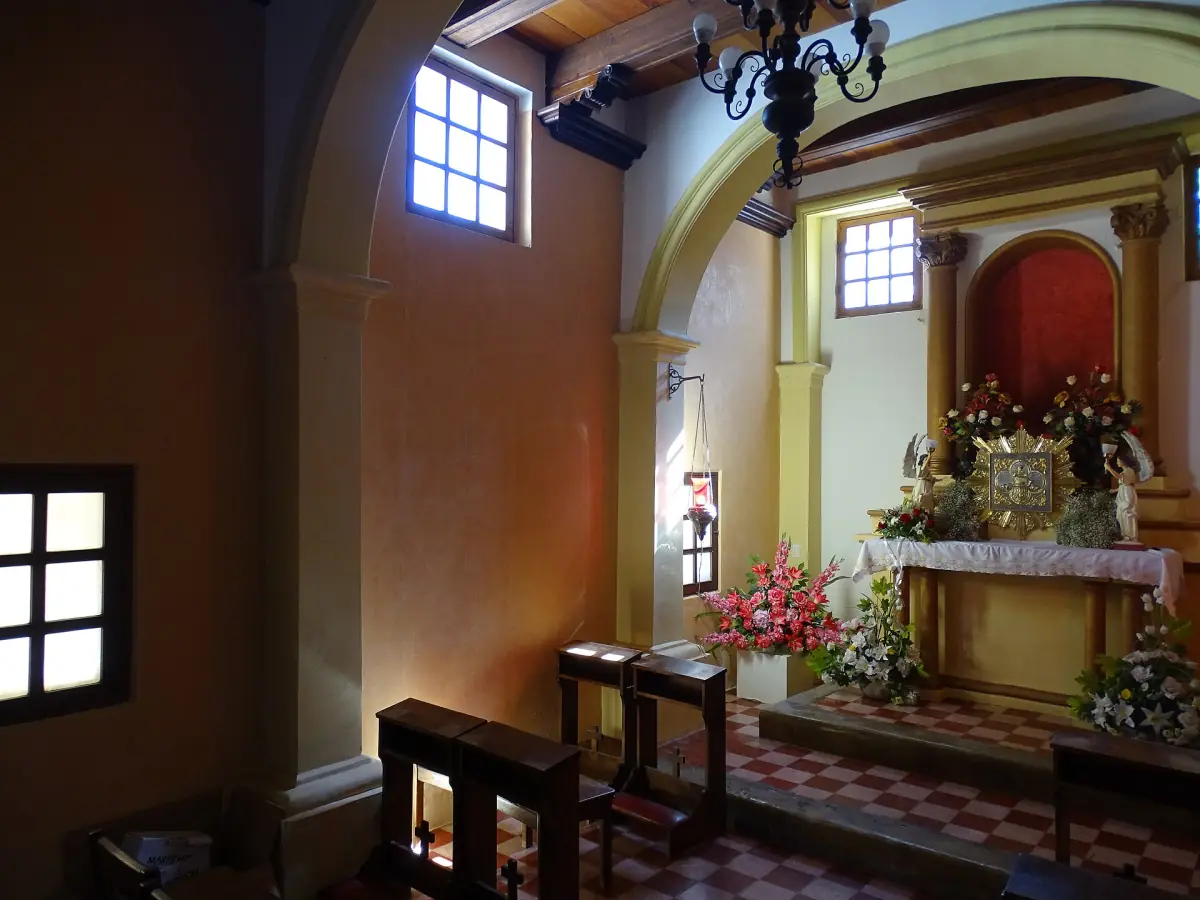
Museo de las Misiones
The Museo de las Misiones occupies the former Almacén General beside the Loreto church. Its collection includes sacred objects and introduces 18 Jesuit missions. The museum is a separate visit from the church. Its published visitor schedule lists Tuesday to Saturday, 09:00 to 15:00. The undated INAH admission information displays 80 MXN for nationals and 145 MXN for foreign visitors. Check the current arrangements when planning your visit; those museum figures do not establish a charge or opening time for either church.
Inside the museum, avoid flash photography, food and smoking, and leave pets outside. A professional camera carries a separate fee. These details make it easier to plan a respectful visit without confusing the museum's rules with the arrangements at a mission church.
San Javier in the wider mission story
The mission at San Javier was founded on 10 March 1699 and resettled in 1701. Its present church dates from the eighteenth century. Seeing it after Loreto makes the regional scale of the mission system tangible: this is a separate inland destination, connected by a road through the mountain landscape, rather than another room of the Loreto museum.
Read the San Javier mission guide for the church and its architecture. The road is described as paved, but conditions can change after rain, so consider the day's travel conditions when arranging the trip. The excursion here is a regional mission visit; museum admission in Loreto is a separate matter.
Putting the past in a present-day visit
Begin in Loreto's centre, then choose whether to devote another part of your stay to the inland mission or the coast. The guide to things to do connects the mission area with the waterfront, while getting to Loreto explains local transport choices. A visit to the national park adds a different view of the setting between mountains and sea.
The designation Pueblo Mágico dates from 2012. It is a modern recognition, distinct from the colonial events described here. Keeping those periods apart makes the town easier to understand: the mission's foundation, changes in religious administration, later repairs and present-day visitor planning each tell a different part of Loreto's story.
Questions about Loreto history
When was the Loreto mission founded?
Nuestra Señora de Loreto Conchó was founded on 25 October 1697. The date does not describe all of the present church fabric.
Is the museum inside the church?
No. The Museo de las Misiones occupies a former storehouse beside the church and has its own visitor arrangements.
How does San Javier relate to Loreto?
San Javier is another mission founded in the region. Its eighteenth-century church is an inland destination reached from Loreto.
What was the presidio?
It was the military establishment with a garrison associated with the colonial settlement at Loreto.