
Loreto weather and the climate record
Loreto weather affects a day on the water differently from a walk around the mission or a journey into the mountains. The table below gives a starting point for planning, using the 1991 to 2020 climate normals for station 03035 Loreto (DGE), issued by SMN/CONAGUA on 30 October 2026. It is a historical climate reference, not a live forecast or a prediction for your travel dates.
The maximum and minimum columns show mean daily highs and lows in degrees Celsius. Rain is the normal monthly total in millimetres, not the amount expected each day. Temperature normals use 30 years of data; rainfall coverage varies from 27 to 29 years by month. Read a monthly figure as context, not as a guarantee of conditions at sea.
Our take
This seasonal boat trip illustrates why conditions matter when planning a departure.
Hand-picked tours, booked through Viator. Prices are indicative starting prices in US dollars (as of October 2026). Tap a tour for live availability and the current price in your currency.
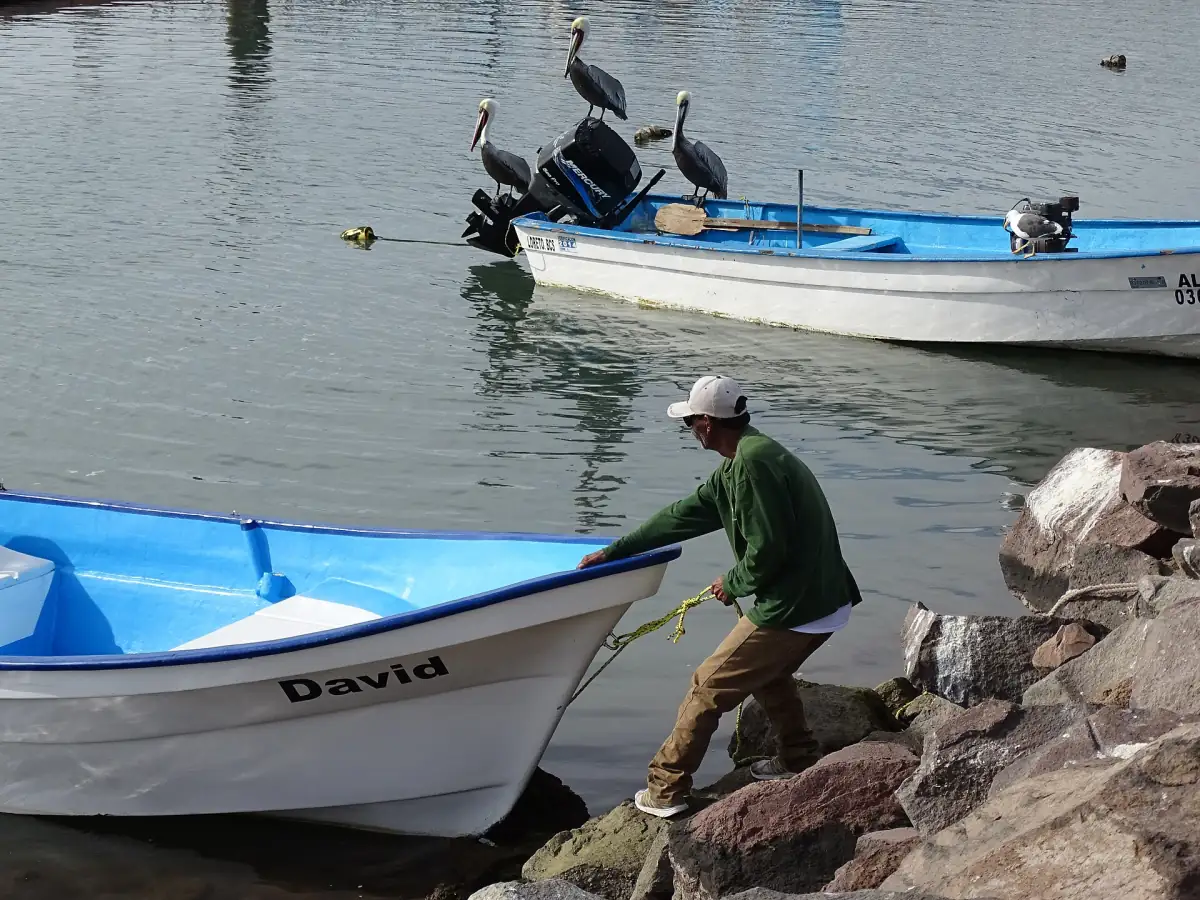
A seasonal day on the water
This whale watching boat trip includes lunch and drinks; the season and conditions shape the outing.
Monthly temperatures and rainfall
Compare a cooler winter month with the summer highs, then look at rainfall separately. August has the highest mean daily maximum in this record, while September has the largest normal monthly rain total. A monthly total does not mean that rain is spread evenly across the month. For choosing between whale watching, islands and time inland, see the seasonal planning guide.
| Month | Mean daily high °C | Mean daily low °C | Rain mm |
|---|---|---|---|
| January | 24.4 | 11.9 | 9.0 |
| February | 25.4 | 12.3 | 5.4 |
| March | 27.7 | 13.7 | 0.4 |
| April | 30.0 | 16.0 | 0.5 |
| May | 32.9 | 18.7 | 0.2 |
| June | 35.7 | 23.2 | 2.2 |
| July | 36.6 | 26.7 | 6.7 |
| August | 36.8 | 27.3 | 40.8 |
| September | 35.7 | 25.8 | 91.8 |
| October | 33.4 | 21.5 | 23.9 |
| November | 28.9 | 16.7 | 5.7 |
| December | 24.6 | 12.8 | 9.2 |
Source: SMN/CONAGUA, station 03035 Loreto (DGE), normals for 1991 to 2020, issued 30 October 2026. A station value describes the measurement location and period; it is not an hourly reading at an island, beach or boat departure point.
Wind, waves and boat departures
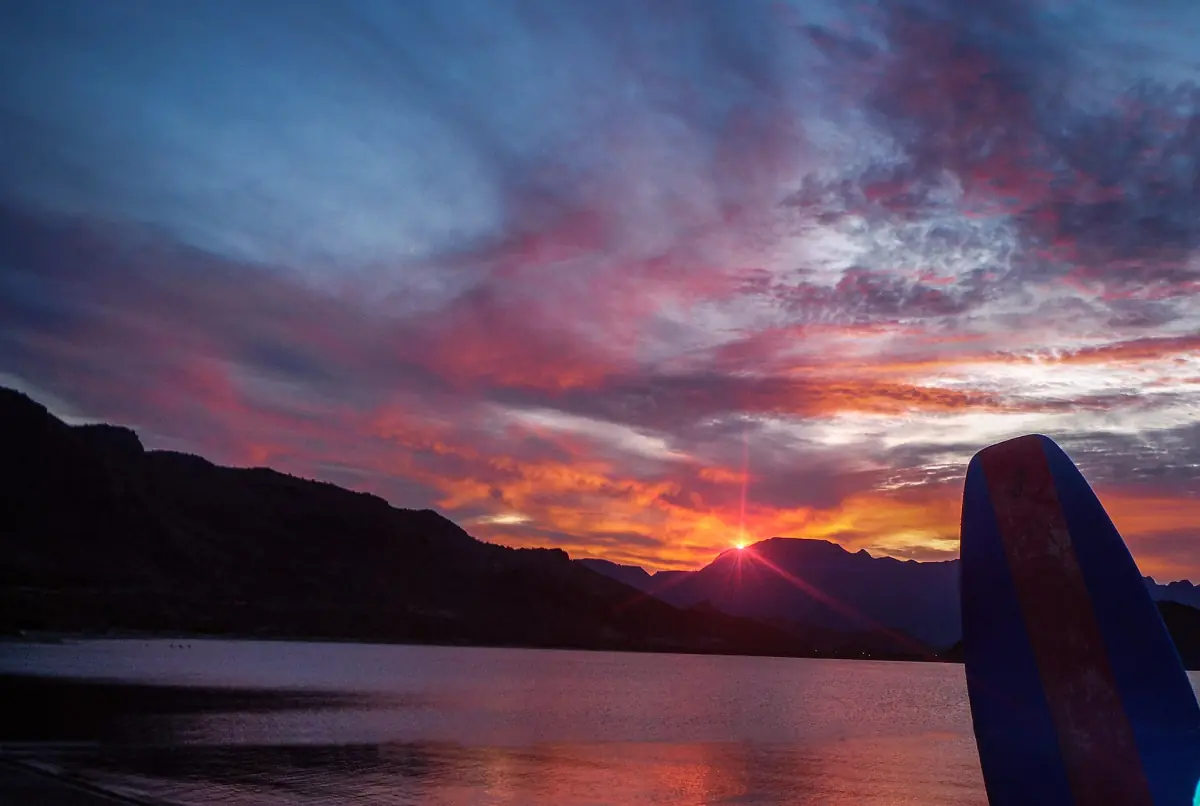
The park authority describes stronger northwesterly winds in winter, while a local whale operator identifies January and February as wind-prone. Actual wind and waves still vary from day to day. A calm photograph or a low rainfall normal gives little guidance about a crossing on your departure date.
Allow room to rearrange a sea outing if conditions require it. A harbour notice on 14 October 2026 restricted smaller boats during storm weather, an example from a particular date rather than a current closure. The boat tour guide explains departure points and route choices; the snorkeling guide discusses water conditions. Observe local swimming restrictions and take currents and high waves seriously.
The whale watching season has its own authorised dates. A seasonal booking and a favourable weather average do not guarantee either a departure or an animal sighting.
Storm season and heat precautions
The announced Pacific hurricane season for 2026 ran from 15 May to 30 November. It is a regional season, not a prediction that a storm will reach Loreto. Follow current local information when a storm is possible and consider its effect on boat departures and mountain roads. Use current information alongside the climate table.
For hot days, Mexico's weather service recommends drinking enough water, wearing light long-sleeved clothing and avoiding prolonged direct sun. Build breaks and flexibility into an outdoor day. The same basic preparation applies when exploring town or travelling to San Javier, while current road conditions matter especially after rain.
Choose your activities around your own priorities. A whale trip is tied to an authorised season, an island crossing to the day's sea conditions, and an inland visit to the road and weather. Climate normals make the differences easier to understand; a current forecast and local conditions are the next step when the date approaches.
Loreto weather questions
Are these a forecast for this week?
No. They are 1991 to 2020 climate normals, issued in 2026, and describe historical averages rather than current conditions.
What does the rainfall column mean?
It is the normal total for a month in millimetres, not daily rainfall or a prediction for a particular visit.
Can wind affect a boat trip?
Yes. Winter northwesterly winds and the actual conditions on the day can affect crossings and departures.
Which month has the highest normal rainfall?
September has the highest monthly normal in this station record, at 91.8 mm. Rainfall can be concentrated on particular days.