
Whale watching in Loreto and the Gulf of California
Whale watching in Loreto is a boat experience on the Gulf of California, off Baja California Sur. Blue whales are the principal seasonal attraction, but wildlife travels freely and a sighting cannot be promised. A day on the water also means choosing a departure point, allowing for changing sea conditions and travelling with an authorised whale watching boat.
The published season and the period when animals are commonly encountered serve different purposes. The official dates define the authorised observation season; a local operator's shorter biological window describes when blue whales are usually present. Both help with planning, but neither predicts what will happen on an individual departure.
Our take
Two trips specify park access and brunch; another includes lunch. Choose a seasonal date and allow for weather and uncertain sightings.
Hand-picked tours, booked through Viator. Prices are indicative starting prices in US dollars (as of October 2026). Tap a tour for live availability and the current price in your currency.
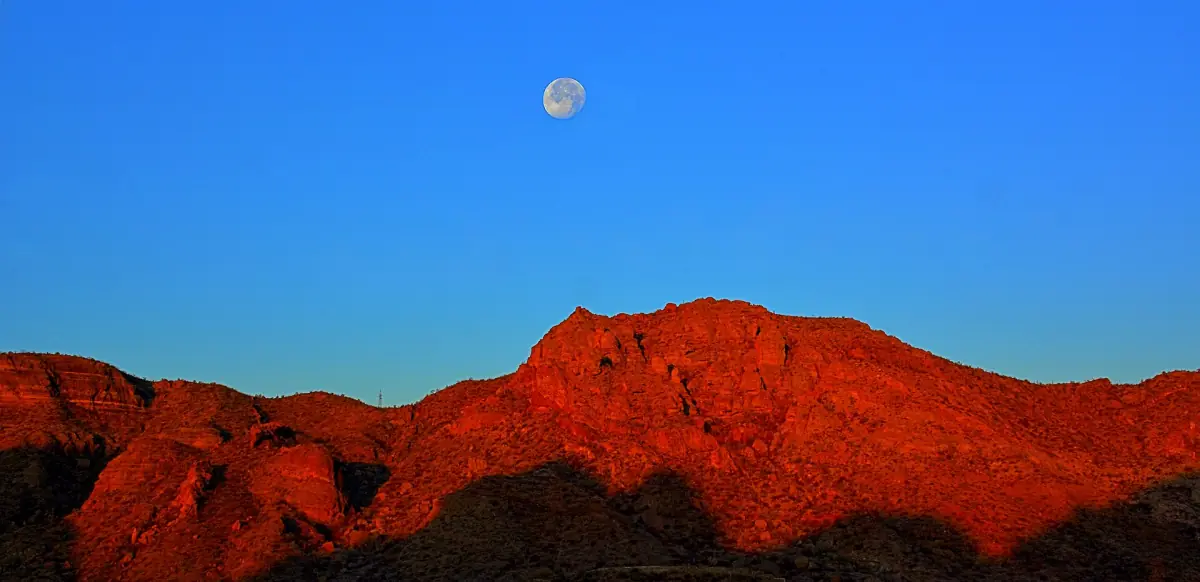
Loreto whale watching with brunch
- Tickets to the Marine Park
- Brunch
- Bottled water
Choose dates within the whale watching season; sightings are not guaranteed.
Check availability →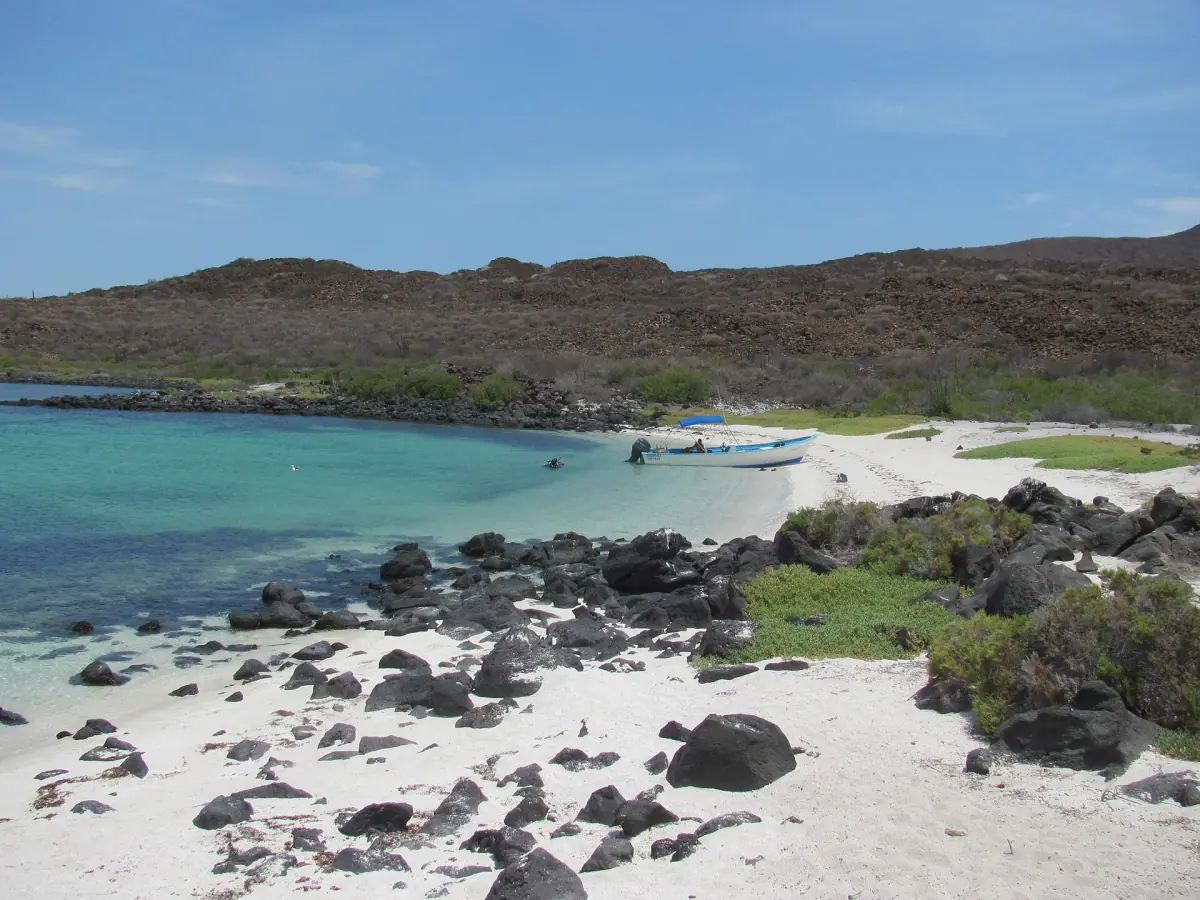
Whale watching with park access
- Entrance to the Loreto Bay protected area
- Brunch
- Bottled water
Sightings are not guaranteed.
Check availability →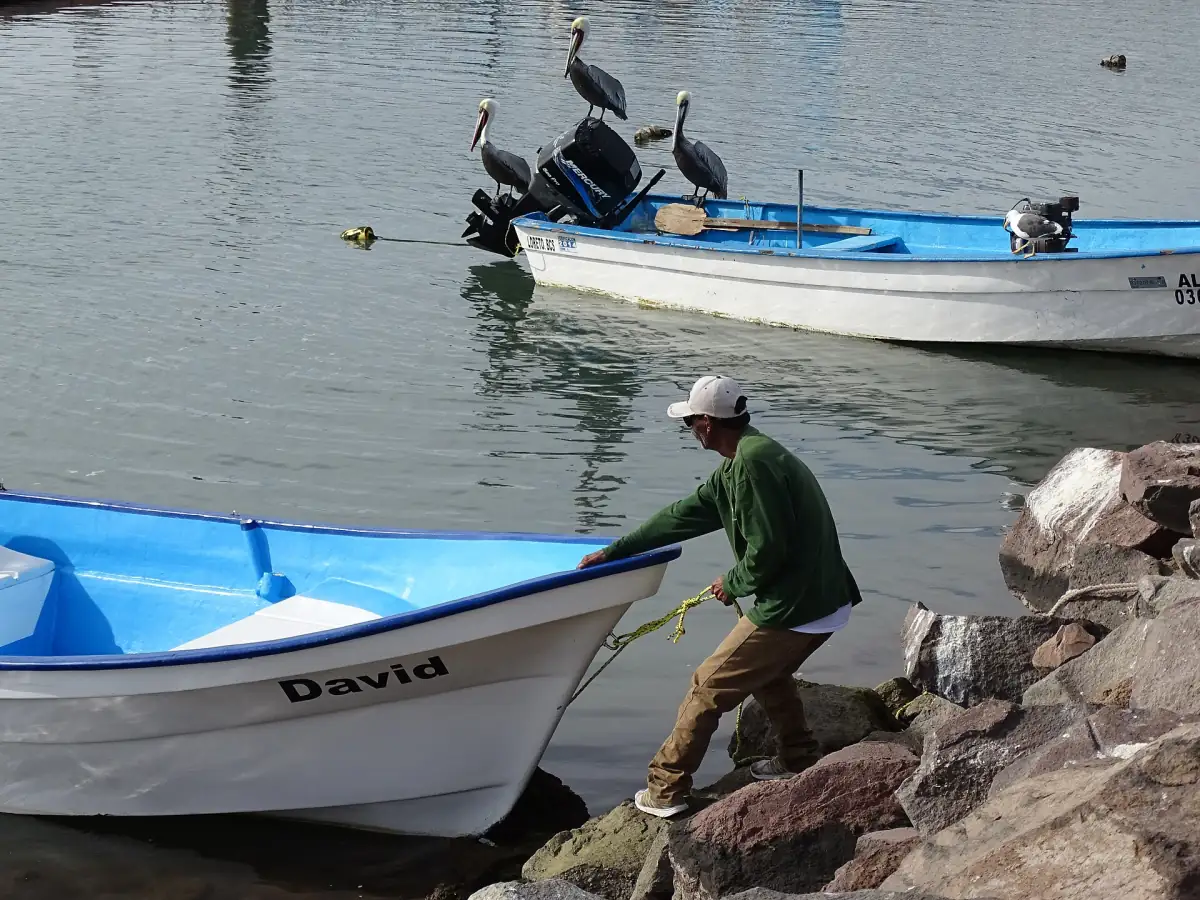
Whale watching from the marina
- Lunch
- Bottled water
- Alcoholic Beverages
Boat departures depend on conditions and whale sightings are not guaranteed.
Check availability →Whale watching boat trips
These seasonal boat outings offer different meeting arrangements and refreshments for a day looking for marine wildlife near Loreto.
Blue whale season and timing
The official notice published on 30 October 2026 sets the next Loreto observation season from 1 January to 30 April 2027. The defined area covers the national park and extends five nautical miles north and east of its boundary and three nautical miles south. The previous season ended in April 2026; its different surrounding zone should not be used to plan the next season.
A local operator describes early February to mid March as the usual blue whale window. Its observations in 2026 are useful context, rather than a forecast for 2027. If whale watching is the main reason for your visit, leave room in the itinerary for weather and choose dates within both the relevant season and the available excursion schedule.
Northwest winter winds can influence boat conditions. Wind, waves and the movement of animals affect where a crew travels and what passengers see. See the season guide and weather overview for the broader choices, then check the day's arrangements with your excursion.
Wildlife watching and responsible distances
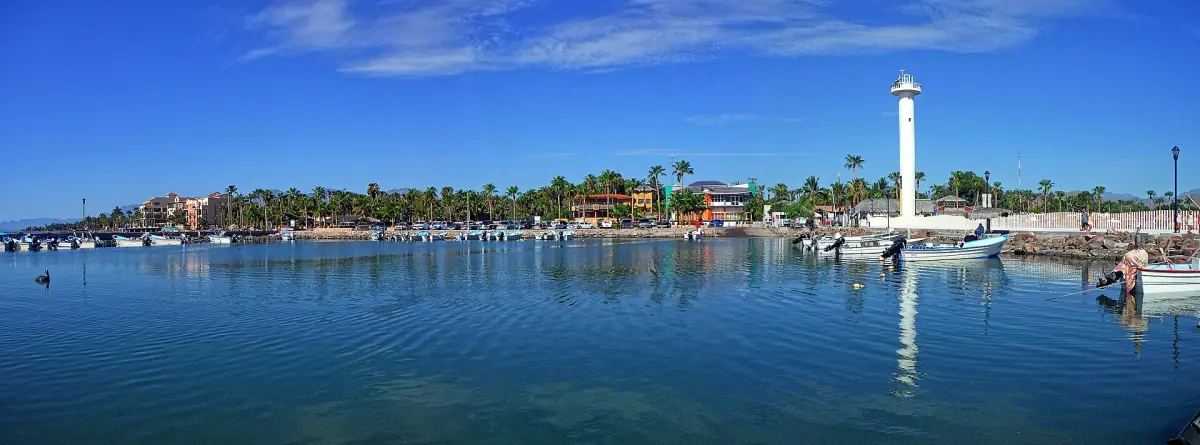
Choose a boat displaying its whale watching authorisation. The Mexican observation rules referenced by the current season notices set different distances according to species and boat size. For blue and fin whales, small boats stay at least 100 metres away and medium or large boats 120 metres. For gray and humpback whales, the respective distances are 60 and 80 metres.
Waiting boats keep 240 metres away. The rules allow no more than four boats at the same whale or group at once, for a maximum of 30 minutes. If an animal approaches voluntarily, the engine is put in neutral. Boats must not pursue or feed whales or separate a mother and calf. Swimming and diving with whales are prohibited, and kayaks are not permitted as whale watching vessels.
From a passenger's seat, a responsible trip means allowing the crew to follow these limits and giving the animals space. A close encounter is not a service that can be promised. Look across the water, listen to the crew and remember that the absence of a sighting is part of observing wild animals in their own habitat.
Blue whales near Loreto or gray whales at Magdalena Bay?
Loreto's blue whale outings take place on the Gulf of California side of the peninsula. A Magdalena Bay gray whale day trip crosses to the Pacific side and combines a road journey with a separate boat outing. The destinations, animals and daily logistics are different, even though their published observation seasons overlap.
Meeting places are equally important. Some local whale outings use the town marina or Puerto Escondido according to their arrangements. The excursions shown here have their own meeting details, so use the location attached to your selected option when arranging transport. A trip from a southern departure point should not be planned as though it leaves from the town waterfront.
For a different day on the bay, compare island boat trips or read about the national park. The latter explains the protected islands and the visitor rules that apply beyond whale watching.
Whale watching questions
When is the next official season?
The published Loreto season runs from 1 January to 30 April 2027. Availability and sea conditions still affect individual trips.
When are blue whales usually seen?
A local operator describes early February to mid March as the usual window. Animals move freely, so sightings vary.
Is Magdalena Bay the same trip?
No. Magdalena Bay is on the Pacific side and day trips from Loreto combine road travel with gray whale watching by boat.
Can passengers swim with the whales?
Whale watching rules prohibit swimming and diving with whales. Observe from an authorised boat and follow the crew's instructions.